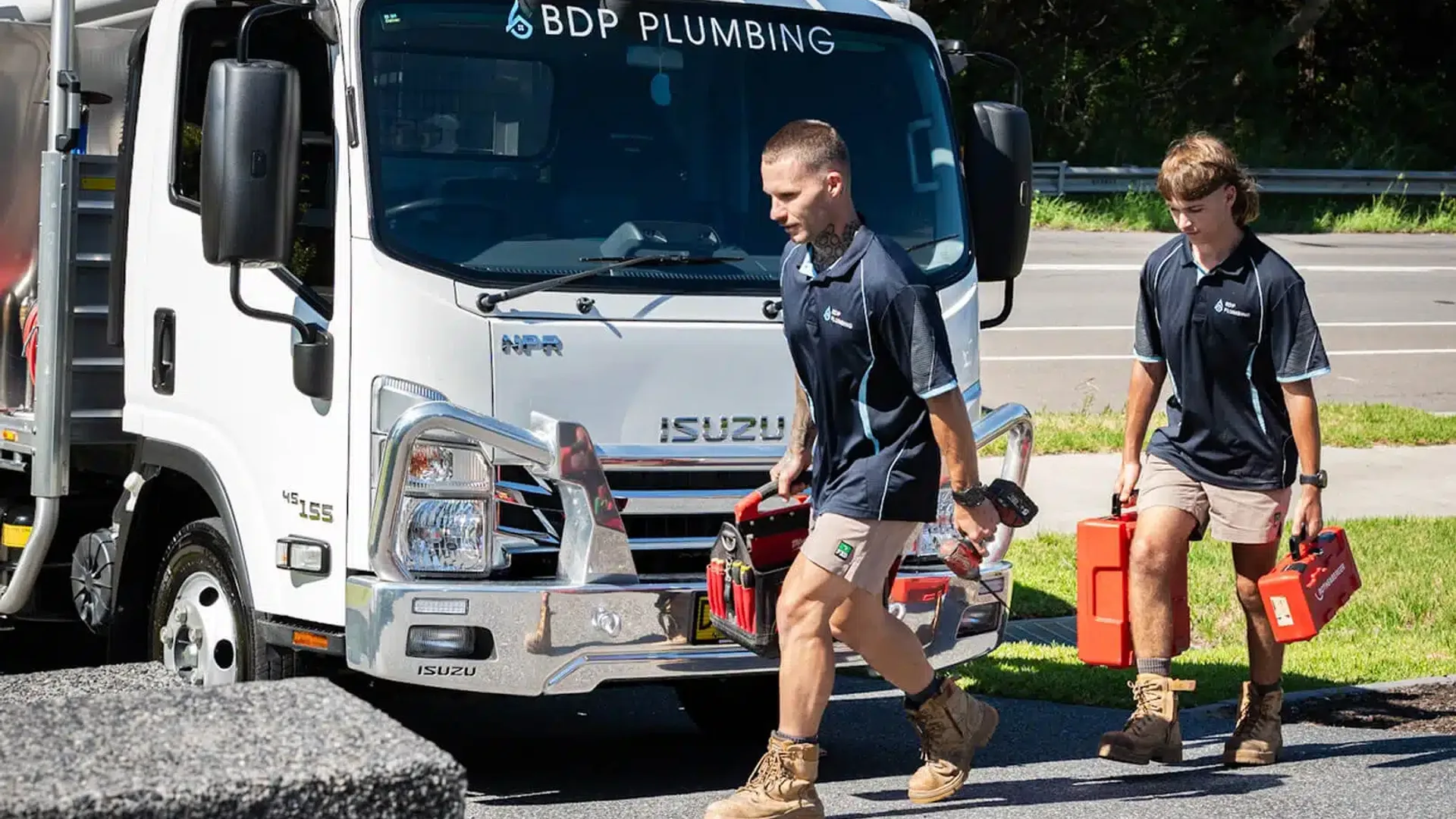
Hot Water in Metford
Hot Water Replacement Metford
When a hot water unit is done, it is done. Replacement means a new system sized to the household, installed to current standards and swapped in without leaving you cold for days.
Plumbers Metford handles the whole changeover for homes across Metford and the suburbs next door, from the first look at the old unit to hauling it off site. Some tanks can be saved, and the hot water repair page covers that lane. This page is for the units that have run their race.
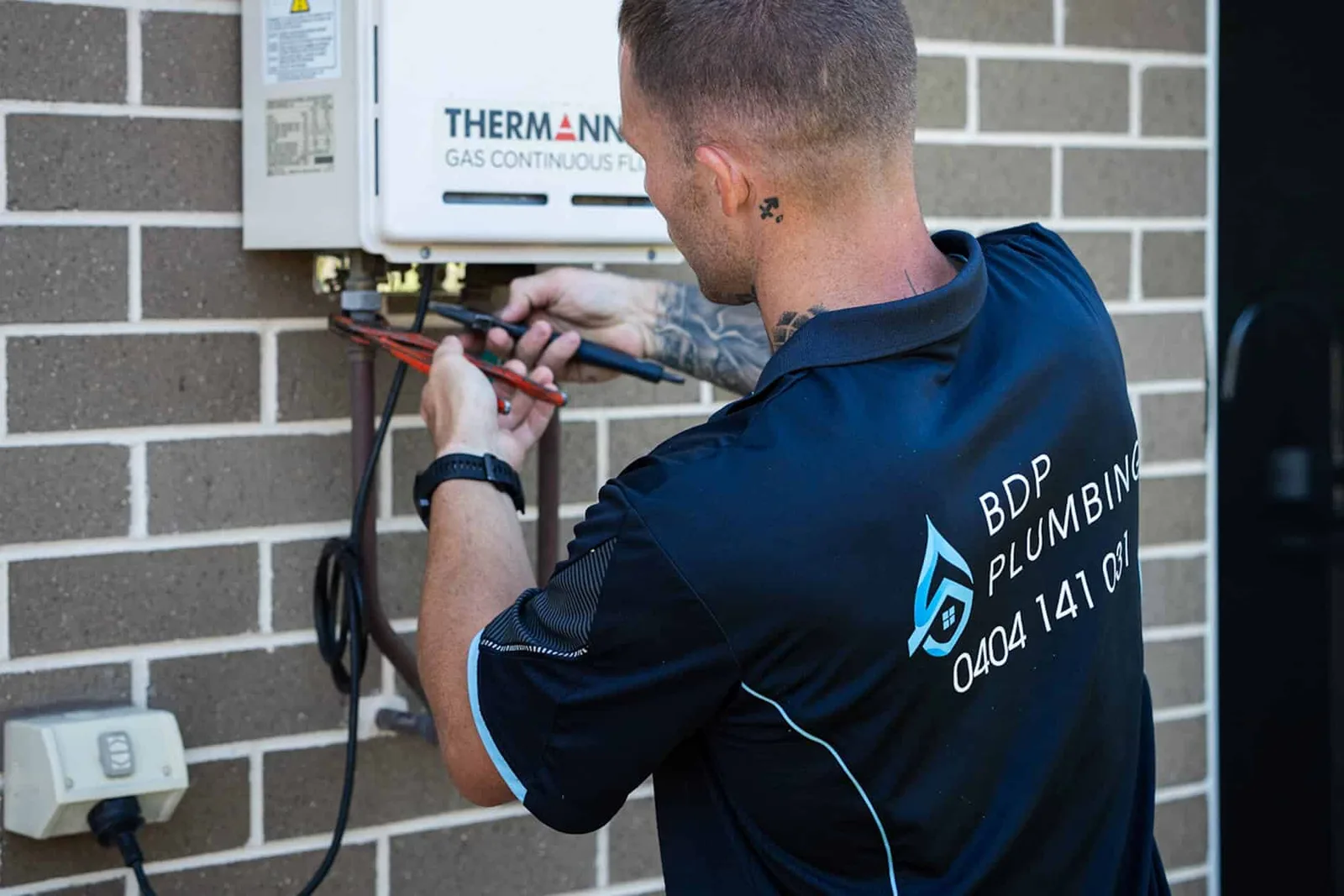
Why so many Metford tanks are due
Metford grew in waves through the 1980s, 1990s and 2000s as subdivisions filled out across the suburb. Most of that housing was brick-veneer detached homes built to a budget and a deadline.
The original hot water units fitted during those builds are now at or past their design life.
Storage tanks rust from the inside out. Elements and valves wear, and the failure usually arrives without warning on the morning you least want it.
Census figures put the population at 4,707 across about 1,750 dwellings. A large share of those homes are still running hot water hardware from the original build.
The upside of a planned replacement is choice. You pick the system, the timing and the budget instead of the tank deciding for you.
Signs the tank has had it
Some symptoms mean a fix is worth considering. Others mean stop spending money on the old unit.
- Brown or rusty water coming through the hot taps, which points to a tank corroding from within
- Water pooling under the unit or a persistent weep at the base that never dries
- Hot water running out faster than it used to, a classic sign of sediment filling the tank
- A system that needs repeated thermostat or valve work, where the bills start stacking against a new install
- An audible rumble or crackle as the unit heats, caused by hardened sediment on the tank floor
One callout to diagnose a fifteen-year-old weeping tank is money well spent. Three callouts on the same old unit is a replacement bought slowly.
What a replacement job covers
A proper changeover is more than lifting a new tank onto the old stand. The job includes:
- Draining and disconnecting the old unit, then hauling it off site for disposal
- Supply and valve work built to suit the new system and meet today's standards
- A tempering valve set correctly, which matters in a family suburb where young kids use the showers
- New connections tested under pressure before the job is signed off
- Nothing left behind, so no rusted shell rusts on your nature strip
Every job carries a $0 call out and a quote you approve before a tool comes out. If something isn't up to standard afterwards, we come back and make it right, no questions asked.
Choosing the replacement system
The right unit depends on the household, the existing services and the roof or wall space available. Households with shift workers or early risers tend to favour systems that recover fast rather than ones that ration a tank across the night.
That is the kind of detail that gets talked through before the quote, not after. The hot water hub carries the full system comparison, but the short version:
Like-for-like
Changeover
Heat pump or solar
What it costs, and what changes the figure
No dollar figure fits every job, so you get the real number in writing first. Four things move the price:
System type
Position and access
Compliance upgrades
Drainage for the overflow
You approve the quote or we shake hands and leave, no charge.
A changeover on a typical Metford street
Picture the real version of the job. Streets full of brick-veneer homes from the subdivision boom usually carry the unit on an outside stand beside the house, which makes for a clean swap. It runs in a familiar rhythm:
- 1
Water and power or gas get isolated at the unit first.
- 2
The old tank drains, comes off its stand and gets wheeled out.
- 3
The stand gets checked while it is exposed, because a rusted base found now beats a collapse found later.
- 4
New valves and a compliant tempering valve go on, the new unit connects, and the whole system runs hot under test before the truck leaves.
Most swaps finish the same day. That rhythm applies just as much to the townhouse infill on the newer lots as to the original houses.
Book your hot water replacement
Call (02) 4063 3455 and tell us what the old unit is doing, or how long it has been limping along. The call out is free, and the quote comes before any work.
The old tank leaves with us. No rusted shell parked on the nature strip, no tip run on your weekend.
A few other pages depend on what the unit is doing right now:
Hot water replacement done once, done properly, backed without fine print. Ring (02) 4063 3455 to book.
Hot water replacement questions
How do I know my hot water system is at the end of its life?
Rusty water from the hot taps, a tank weeping at the base, or a unit that keeps cutting out point to a system past saving. We check it and give an honest verdict.
How long does a hot water replacement take?
Most straightforward swaps finish within a day. If the new system needs a different energy source or a fresh stand, allow extra time for the changeover work involved.
Can you take the old tank away?
Yes. The old unit is drained, disconnected and hauled off site as part of the job, so you are never left with a rusted tank sitting on the lawn.
Will a heat pump handle a Metford winter?
Heat pumps cope well through cool Hunter Valley winters. Reverse-cycle heating is already common in the suburb's homes, and the technology handles frosty mornings without drama or fuss.
Do I need council approval for a hot water replacement?
A like-for-like swap in the same spot does not need council sign-off. Moving the unit or changing energy sources brings compliance work, which we handle and document for you.
What drives the cost of a hot water replacement?
System type, access and any compliance upgrades needed once the old unit comes out all shape the figure. You get the number in writing before anything starts.
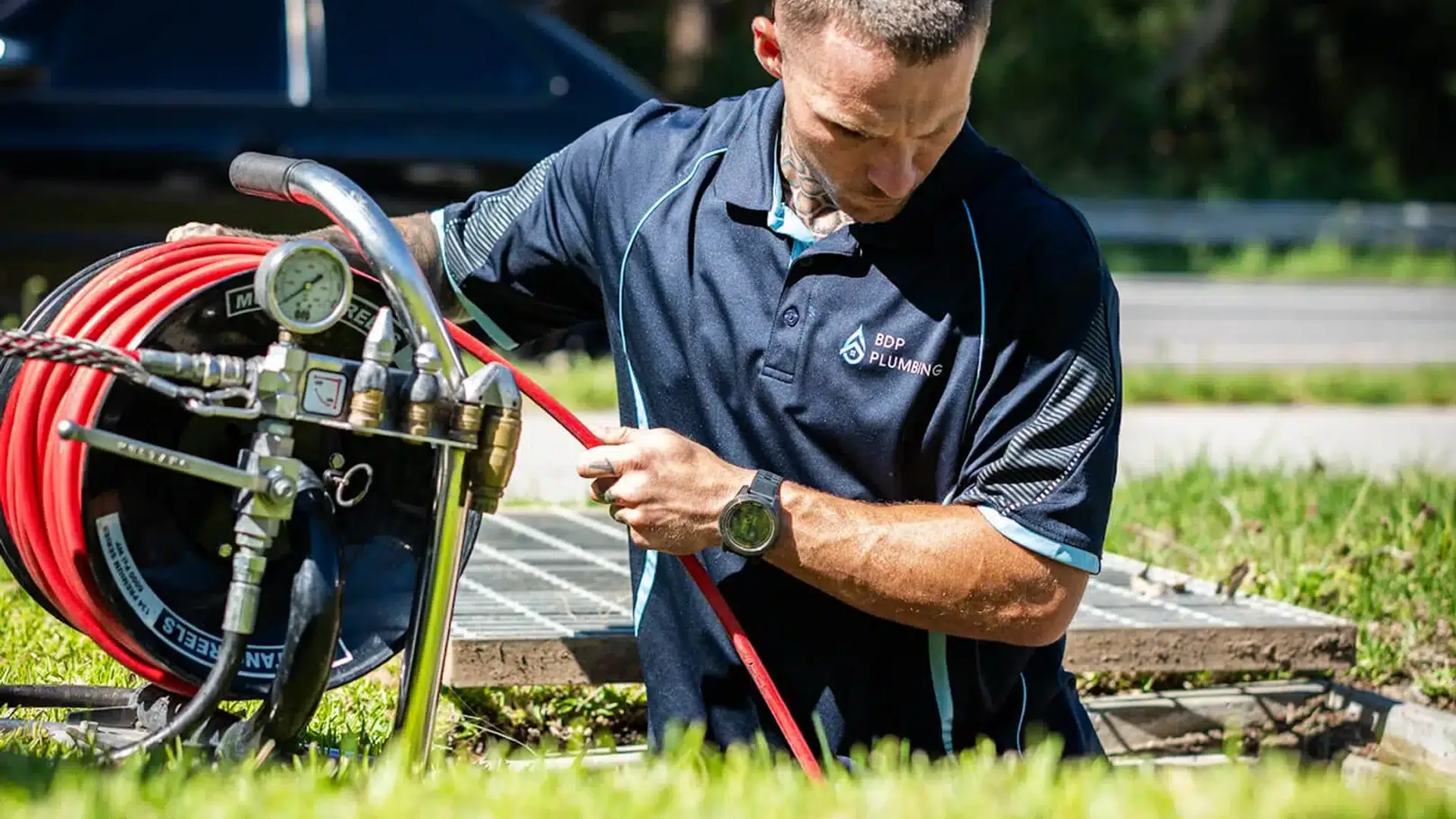
Plumbers in Metford and the suburbs around it