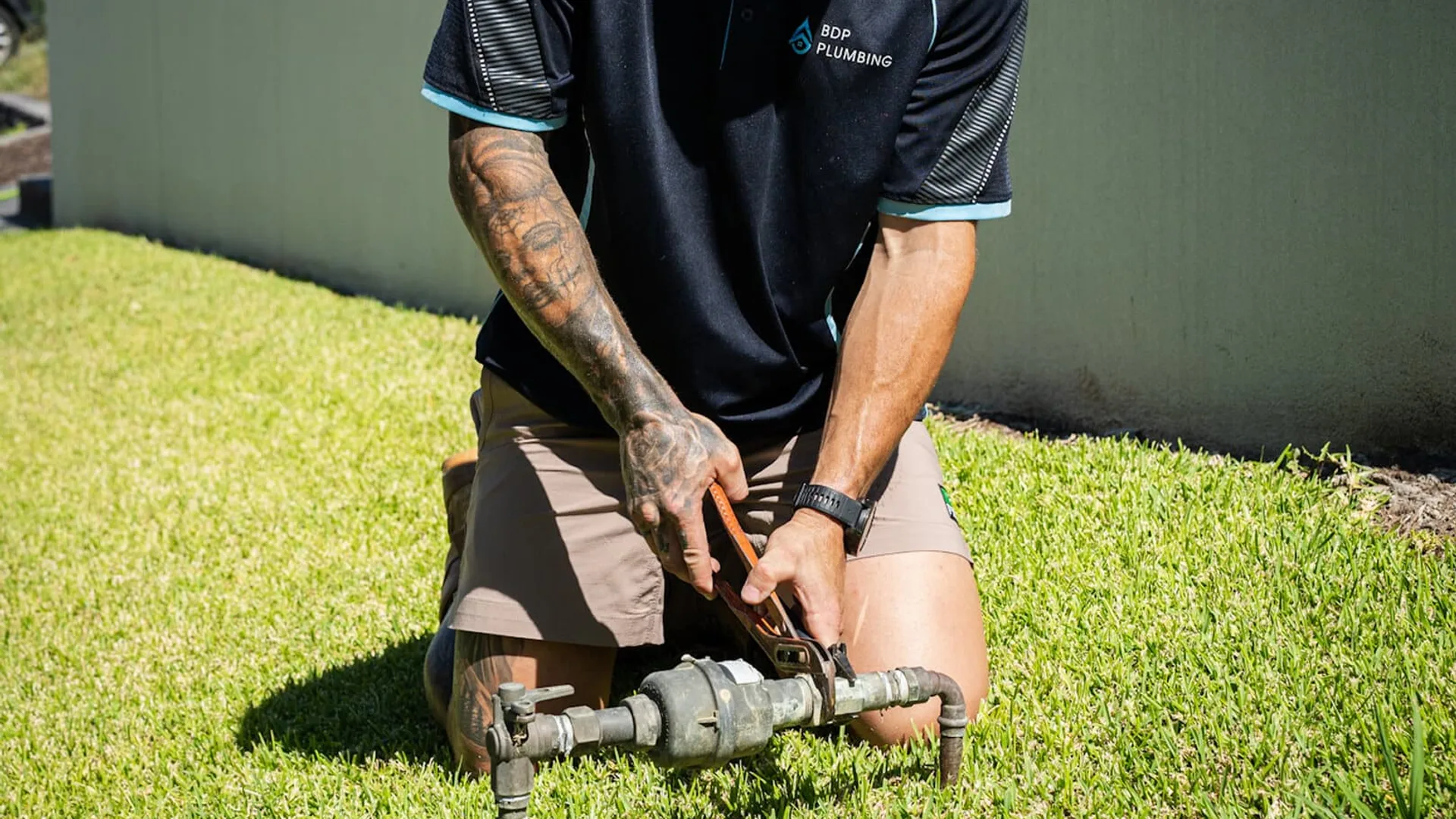
General Plumbing in Metford
Leak Detection Metford
A hidden leak is the quietest way to lose money on a house. The water stays out of sight while the bill and the damage keep growing.
Leak detection finds the exact point where water is getting out, so the repair stays small and targeted. If a damp patch or a climbing bill has you puzzled anywhere in Metford, this is the job for it.
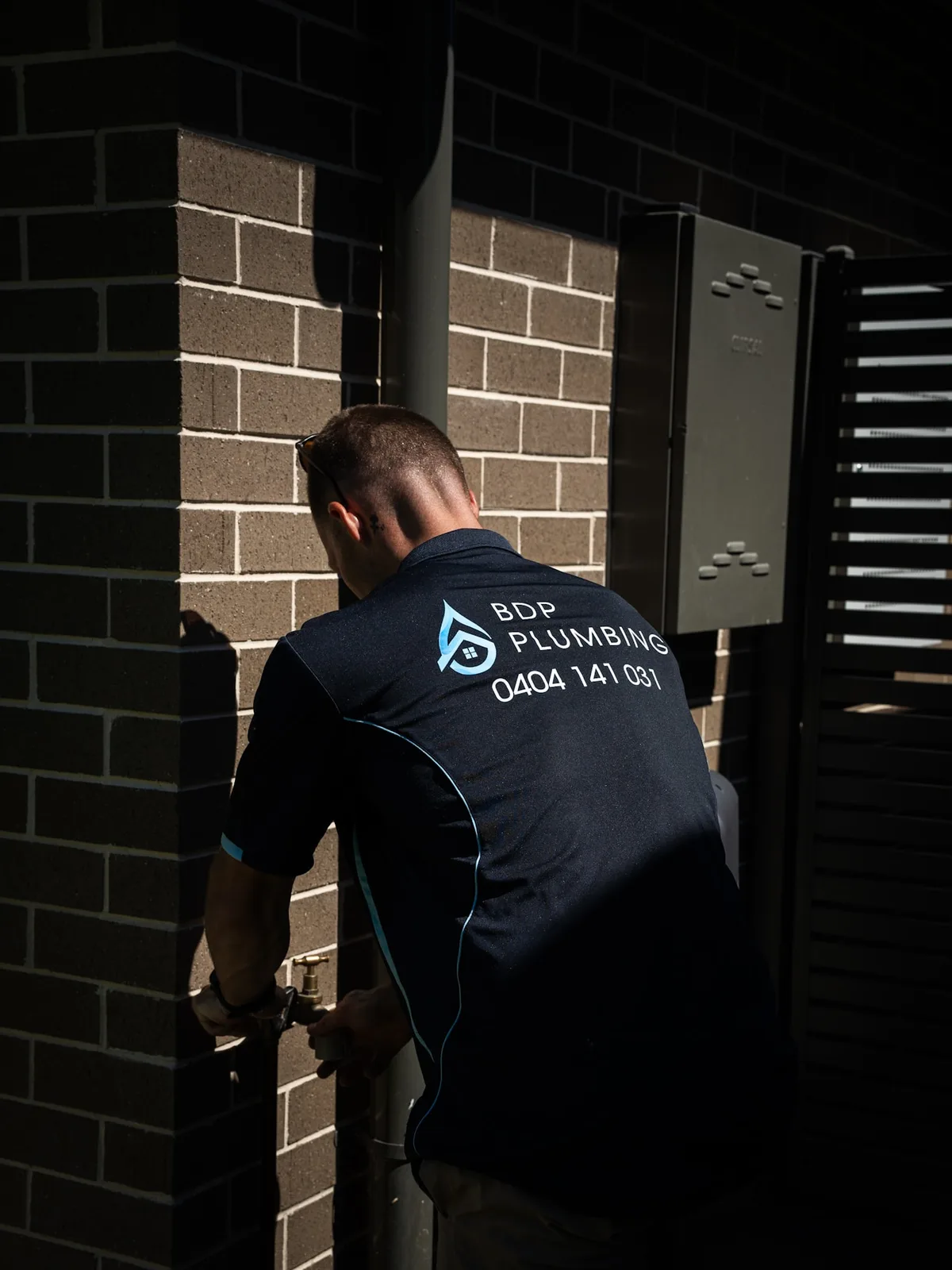
Signs a leak is hiding somewhere
Water escaping out of sight leaves a trail, and most households pick up on it before it turns urgent. The usual tells are:
- A damp or discoloured patch growing on a wall, ceiling or skirting with no obvious source
- The water meter creeping along while every tap, appliance and hose is off
- A bill that jumps without the household using any more water than normal
- Running or trickling sounds when nothing should be on
- A mouldy smell in a room that stays dry on the surface
- One patch of lawn greener and spongier than the rest of the yard
Any one of these deserves a check. Two or more together usually mean the leak has been running a while.
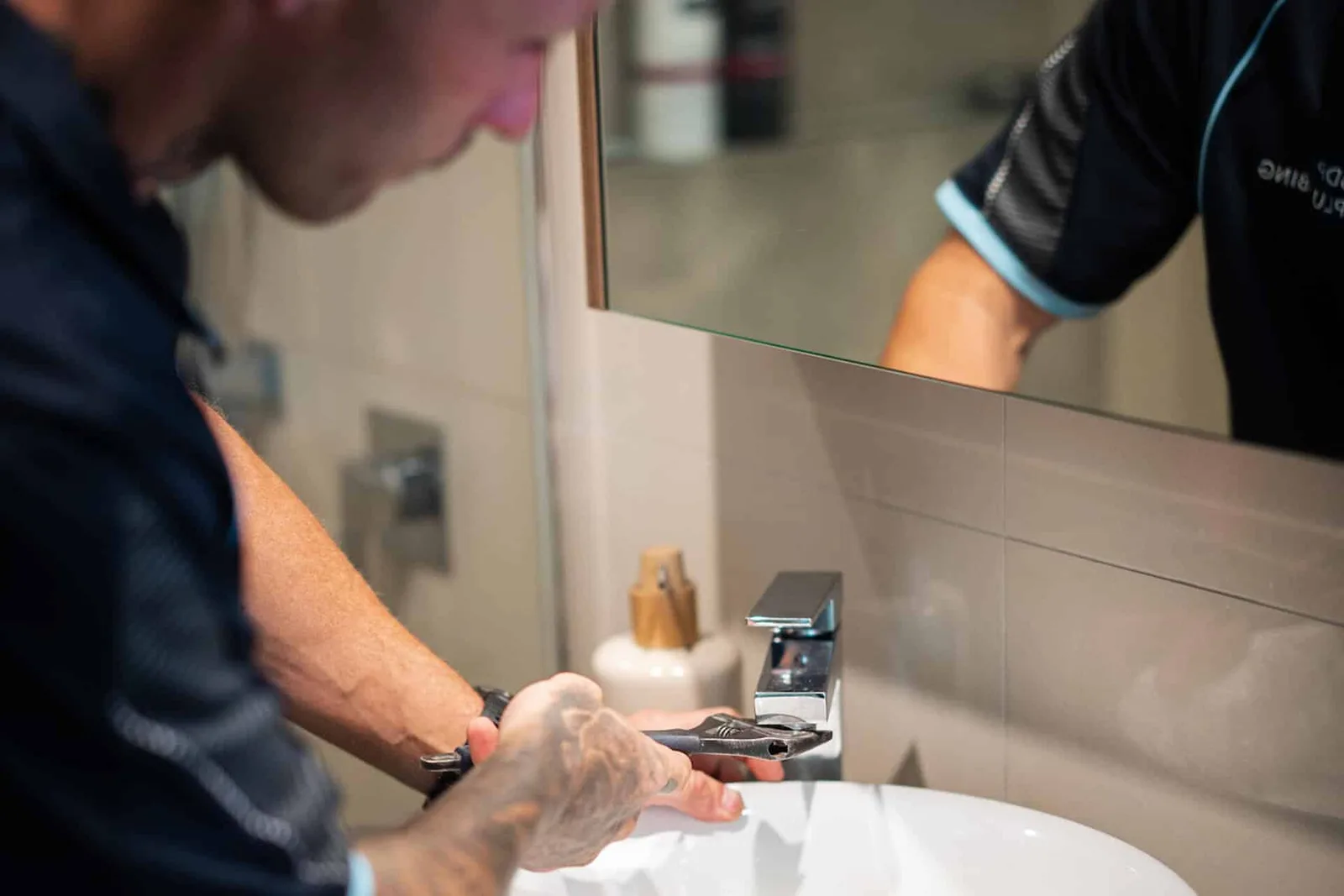
Tracing leaks on floodplain ground
This suburb sits low on the Hunter River floodplain near Four Mile Creek, and alluvial ground holds a high water table. After rain, water sits close to the surface for days, and a wet patch out back could be groundwater or a burst pipe.
Reactive clay under the pipe runs.
Groundwater, not always a pipe.
How a trace actually runs
Finding the leak is its own discipline, and it works best in an order. Each method narrows the search until the repair site is a patch, not a wall. The sequence on a typical job:
- 1
Listen for the hiss
Acoustic listening gear picks up the sound of pressurised water escaping behind a wall or under a floor. It narrows the search to a small patch before anything gets opened up.
- 2
Test the supply line
Isolating sections of the supply and watching the pressure gauge tells us which part of the pipe run is losing water, so the hunt moves from the whole house to one section.
- 3
Read the meter
Your Hunter Water meter doubles as a leak alarm. Shut every tap and appliance off, note the reading, then check it again later. Movement with nothing running means water is escaping somewhere.
- 4
Scan with thermal imaging
A thermal camera reads temperature differences across a wall or floor. A warm shape under concrete marks a hot water line leaking, so the repair site gets marked rather than guessed at.
Once the source is confirmed, you see the finding and approve the quoted repair before anything is opened up. Nothing gets dug on a hunch.
Fittings from the project-home boom
Plenty of streets went up fast through the 1990s and 2000s, and volume building fitted whole subdivisions with quick-fit connections and budget fittings that age together.
Neighbours age together.
The quiet failure.
Detection gear and common repair parts travel on every job, so most of these get found and fixed in one visit. If the failing line turns out to feed the hot water system, the hot water hub covers that side of the job.
What a trace costs
The detection work itself is quoted up front, same as any other job on this run. The repair price depends on what the trace finds:
- A joint or fitting inside a wall or vanity, usually a small open-up and swap
- A run under a slab, where access decides the effort
- No fault in the supply at all, which points the job towards drainage instead
You approve each figure before the work starts. Nothing gets opened, dug or cut until the number is agreed on paper.
Other jobs that connect
A few other pages tend to come up on the same job, so worth a look while you are here:
Why households here keep ringing
Four things hold every job together, and they explain the repeat calls on this run:
$0 Call Out
Quote First, Always
Licensed Local Plumbers
Made Right, No Questions Asked
Every trace gets the same backing, whether the finding turns out to be a five-minute fix or a slab job.
Booking a trace, start to finish
- 1
Call and tell us
Ring (02) 4063 3455 and tell us what's going on in Metford. We'll ask a few quick questions so the right gear is on the truck the first time.
- 2
Quote before work
You get the price before anything starts. No call-out fee, no hourly surprises — you approve the quote or we shake hands and leave, no charge.
- 3
Trace and quote
We pinpoint the leak with the gear on the truck, show you where the water is getting out, and price the repair before any paver, tile or plaster is disturbed.
- 4
Backed, no questions asked
If something isn't up to standard afterwards, we come back and make it right, no questions asked. That's the standard every Metford job is held to.
Leak tracing questions we hear
How do you find a leak without pulling walls apart?
Acoustic listening, pressure testing and thermal imaging narrow most leaks down to a patch the size of a plate. We show you the finding first, then quote the smallest repair that fixes it.
How do I check the water meter myself?
Turn every tap, appliance and hose off, then watch the meter for a couple of minutes. Any movement with nothing in use points to water escaping, and a trace is worth booking.
Can a hidden leak really push a bill up?
It can. A pinhole in a pressurised line runs day and night, and the bill is often the first sign. Some households only find out when Hunter Water questions the usage.
Is water in the yard a leak or the water table?
On low floodplain ground near Four Mile Creek it can genuinely be either. We pressure test the supply first, so you learn whether it is a pipe or groundwater before anyone lifts a shovel.
Do you fix the leak once you have found it?
Yes, wherever a straightforward repair sits behind the finding. Detection gear and common parts ride on the truck, and you approve the quoted price before anything gets opened up.
Do you trace leaks in nearby suburbs?
East Maitland, Tenambit, Thornton, Chisholm and Ashtonfield all sit on the regular run, and each suburb page on this site covers what a booking involves out there.
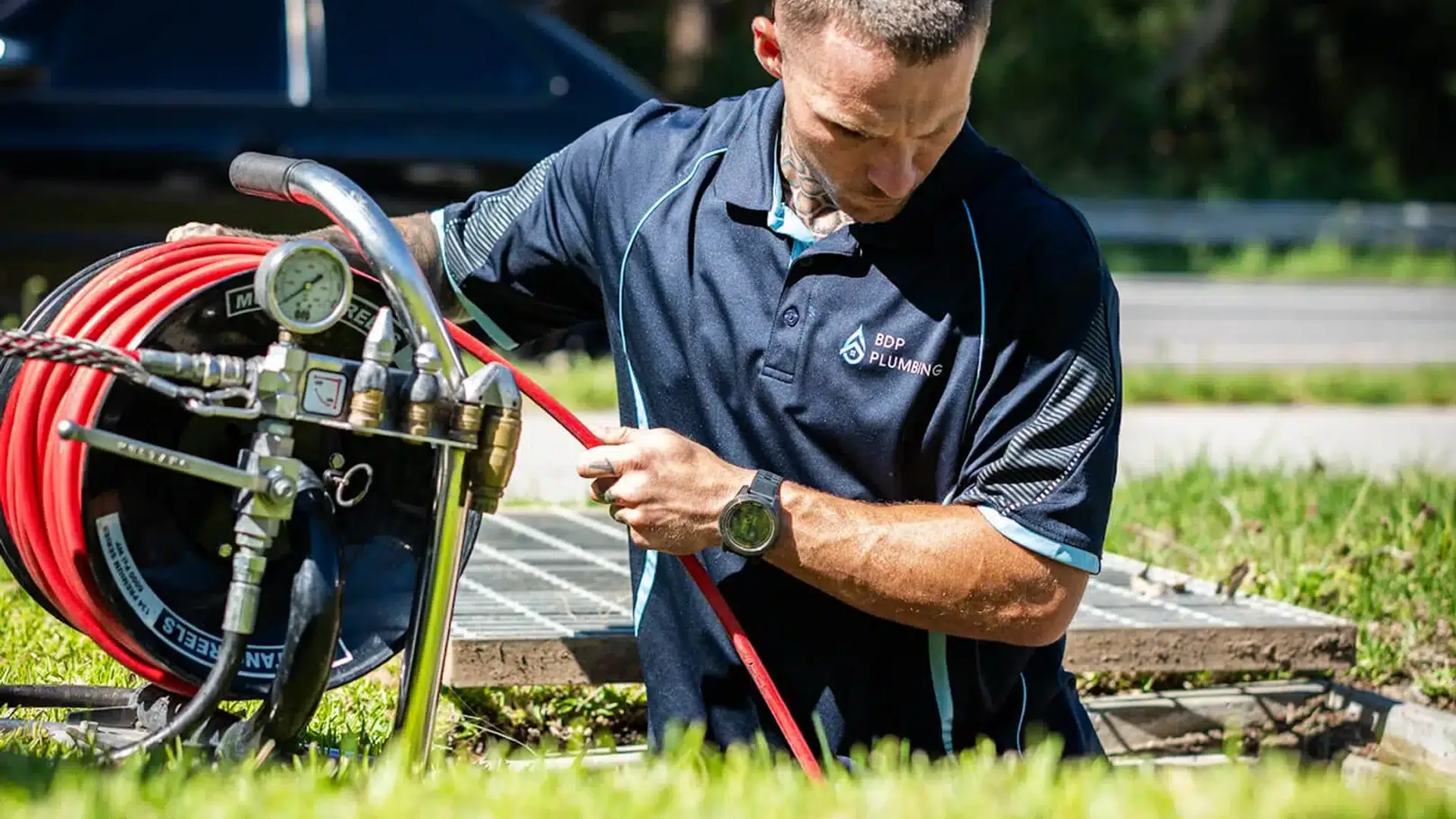
Plumbers in Metford and the suburbs around it
Book the leak trace today
A leak never shrinks with time, and the repair only grows the longer it runs. Get it on the calendar this week.
Call (02) 4063 3455 and tell us what's happening. $0 call out across Metford, a clear quote before any work starts, and a job that gets made right if it isn't right the first time.